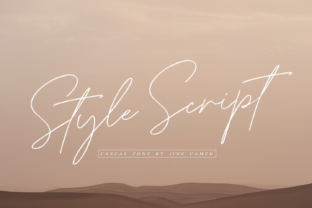
Style Script: A Unique Stylish Script That Radiates Personality
Style Script is more than just a font—it's a tool that brings personality, creativity, and visual impact to any project. Designed with elegance and flair, it stands out in a world where most fonts aim for neutrality. Whether you're creating marketing materials, designing a logo, or personalizing digital content, Style Script adds a touch of individuality that can transform the way your message is received.
What Is Style Script?
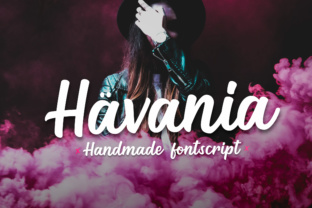
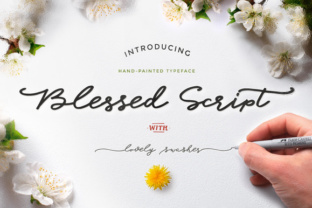
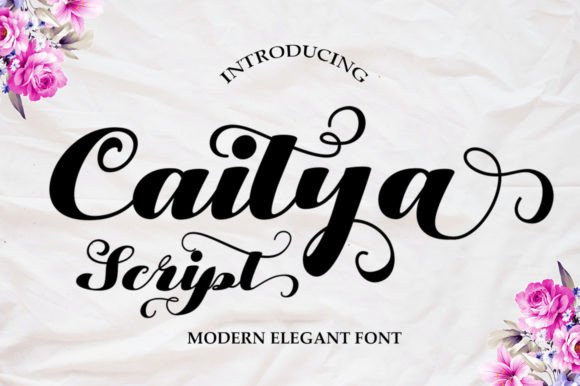
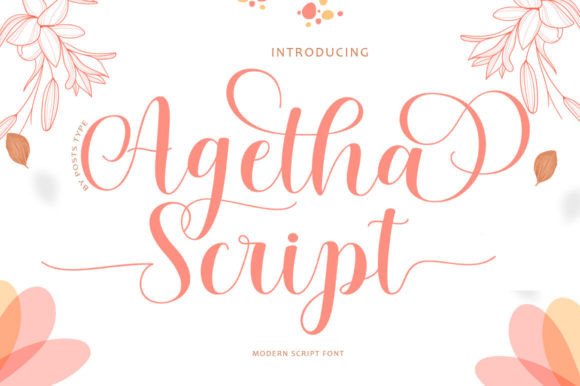
Style Script is a unique, stylish script font that blends legibility with artistic expression. It’s crafted for those who want to stand out without sacrificing clarity. Unlike traditional cursive scripts that can be difficult to read, Style Script maintains a balance between form and function. Its flowing lines and elegant curves give it a modern yet timeless appeal, making it suitable for both print and digital media.
This font is ideal for designers, marketers, and creators looking to add a personal touch to their work. It’s especially useful for projects that require a sense of sophistication, such as wedding invitations, branding materials, social media posts, and creative presentations.
Integrating Style Script Into Your Workflow
Incorporating Style Script into your workflow doesn’t require a complete overhaul of your design process. Instead, think of it as a complementary asset that enhances your existing tools and methods. Here’s how you can use it at different stages of your projects:
- Before a Project: Use Style Script to draft ideas, sketch concepts, or outline key messages. Its visual style can help spark creativity and set the tone for your work.
- During a Project: Apply Style Script when finalizing text elements like headlines, call-to-action buttons, or brand taglines. It works well with other design tools such as Canva, Adobe Photoshop, or Illustrator.
- After a Project: Add Style Script to your final deliverables for a polished look. It can elevate the aesthetics of reports, presentations, or promotional materials without overwhelming the content.
By using Style Script strategically, you can maintain consistency across your work while ensuring that your visuals remain engaging and professional.
How Style Script Interacts With Other Tools
Style Script is compatible with a wide range of design and productivity platforms. For example, when working in Canva, you can easily apply Style Script to text layers and adjust spacing, color, and alignment to match your brand guidelines. In Adobe products, you can pair it with vector graphics or photo backgrounds to create cohesive layouts.
For bloggers and content creators, integrating Style Script into web design is straightforward. You can embed it using Google Fonts or download the font file and upload it to your website’s assets folder. This makes it easy to use in headers, banners, or signature blocks.
Additionally, Style Script can complement other typographic choices. Pairing it with a sans-serif font for body text ensures readability while maintaining a visually appealing hierarchy.
Practical Implementation Tips
To get the most out of Style Script, consider these practical tips:
- Use Sparingly: While Style Script adds character, overusing it can make your content hard to read. Reserve it for headings, logos, or short phrases rather than large blocks of text.
- Test Across Devices: Ensure that Style Script displays correctly on different screen sizes and resolutions. Some script fonts may not render as expected on mobile devices.
- Match Color and Contrast: Choose colors that complement Style Script’s aesthetic. Darker tones work well for formal designs, while lighter shades can give a more playful feel.
- Experiment With Layouts: Try combining Style Script with other fonts, shapes, and images to see what works best for your project. Sometimes, a simple layout can enhance the font’s visual impact.
These small adjustments can significantly improve the overall appearance and effectiveness of your designs.
Workflow Examples for Different Users
Here are a few examples of how different professionals might integrate Style Script into their workflows:
Marketers
Marketers can use Style Script to create eye-catching headlines for email campaigns or social media ads. It adds a touch of elegance that can make promotional content feel more personal and engaging.
Bloggers and Content Creators
Bloggers can incorporate Style Script into their blog headers or post titles to give their content a unique visual identity. It also works well for signature blocks or call-to-action sections.
Entrepreneurs and Small Business Owners
Small business owners can use Style Script in branding materials such as business cards, letterheads, or packaging. It helps establish a distinctive brand image that stands out from competitors.
Freelancers and Designers
Designers can use Style Script as part of their portfolio or client proposals. It adds a professional yet creative edge to their work, helping them attract clients who value originality.
Long-Term Use and Consistency
When using Style Script regularly, it’s important to maintain consistency in its application. Create a style guide that outlines how and where to use the font across different projects. This ensures that your brand remains recognizable and cohesive over time.
Additionally, consider investing in high-quality versions of the font to ensure that it looks sharp and professional in all formats. Avoid using low-resolution or corrupted font files, which can affect the quality of your designs.
Finally, stay updated on new versions or variations of Style Script. Font developers often release updates that improve performance, compatibility, or visual appeal. Keeping up with these changes can help you make the most of the font in your work.
Whether you’re a designer, marketer, or entrepreneur, Style Script offers a versatile and stylish solution for adding personality to your projects. By understanding how to use it effectively, you can enhance your workflow and create more impactful designs that resonate with your audience.